

The High Cost of Being Two Weeks Late on Rent

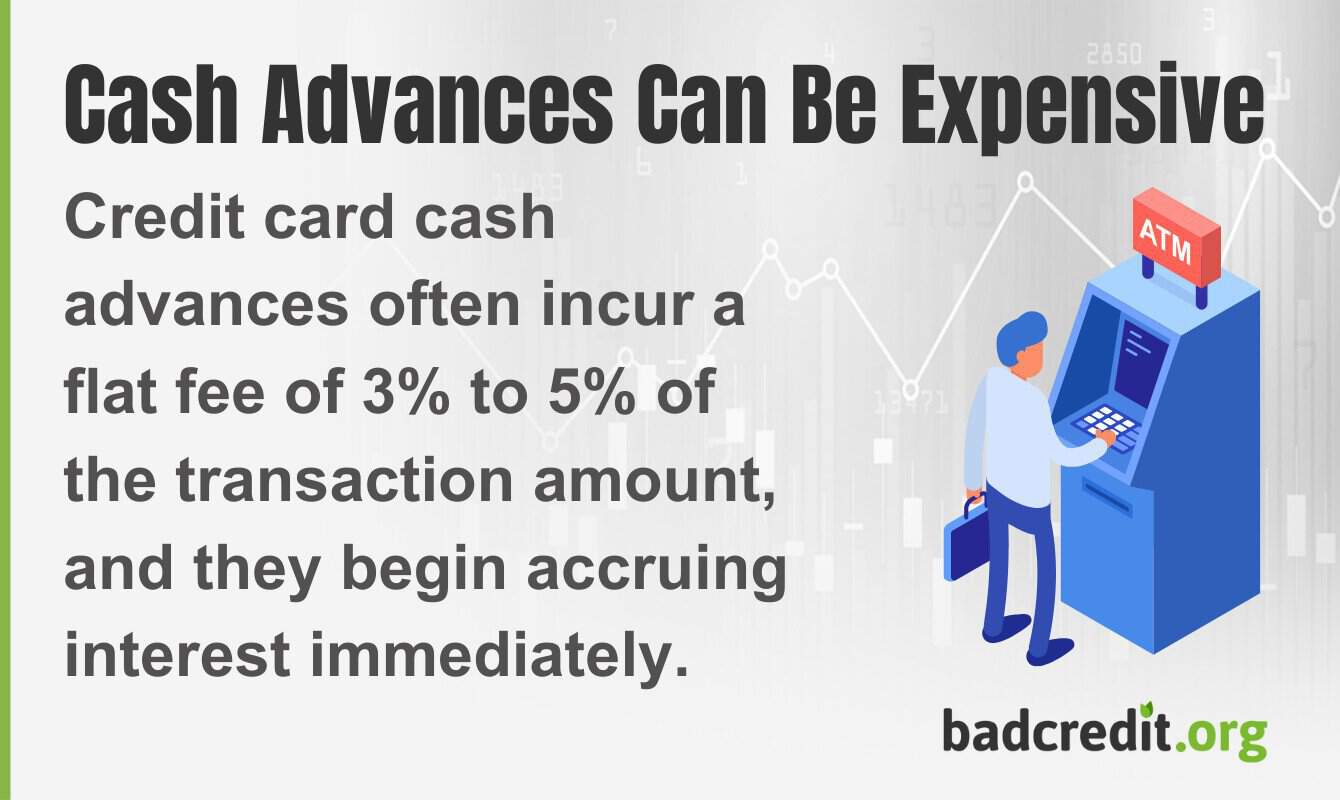
The transmission in your 2014 Honda Civic didn’t wait for payday, and neither did the utility bill sitting on your kitchen counter like a tiny, white, rectangular threat. You stare at your banking app, watching the digits hover precariously close to zero, and suddenly, the math stops working. You need a bridge to get you to next Friday, but your credit score is currently performing a slow-motion dive into the basement because of that medical bill from last year.
You aren’t the first person to find themselves in this specific, sweaty-palmed corner. When the “insufficient funds” notification feels like a death sentence, the search for quick cash becomes a frantic, late-night scavenger hunt through the darker corners of the internet.
You might think you’re alone in this, but the industry behind emergency lending is massive. It’s built entirely on the premise that life is unpredictable and people are often broke. You’re looking for a lifeline, but you need to know if that lifeline is a sturdy rope or a thin, fraying thread that might snap the moment you put any weight on it.
The Mechanics of Quick Cash and the Credit Myth
There is a persistent, almost religious belief that a low credit score is a locked door that prevents any form of borrowing. It isn’t. It just means the people who will open that door are going to charge you a premium for the privilege of doing so. If you have bad credit, you aren’t necessarily out of the game; you’re just playing in a much more expensive league.
Lending services often work by partnering with networks of direct lenders rather than being the lenders themselves. According to CardRates.com, these services act as a bridge, helping you find either a payday advance or a short-term installment loan through a variety of providers.
You aren’t just looking for money; you’re looking for a specific type of debt. There are several ways this plays out in the real world:
- Payday Advances: These are tiny, rapid-fire injections of cash meant to bridge a gap until your next direct deposit hits.
- Short-Term Installment Loans: These involve larger amounts of money that you pay back over several months, which is slightly more civilized than a payday loan but still carries weight.
- Cash Advance Apps: These are the newer, slicker players that often look at your bank history rather than a FICO score to decide if you’re worth the risk.
The reality is that your credit score is just one piece of the puzzle. Many lenders have moved away from traditional credit checks and toward “cash-flow underwriting.” This means they care more about whether you actually have a paycheck coming in than whether you missed a credit card payment three years ago. They want to see the movement of your money, not just the ghosts of your past mistakes.
If you are looking for something more structured than a quick fix, you might find yourself browsing paydayseek.com to see what your options look like before you commit to a high-interest contract.
It’s a messy, complicated world of algorithms and interest rates. You have to move fast, but moving too fast is exactly how people end up in a debt spiral that lasts longer than the original emergency ever would have.
The Hidden Math of Emergency Borrowing
Let’s talk about the math, because that is where the real danger hides. When you’re staring at a $500 repair bill, a $700 loan sounds like a solution. But if that $700 is actually $700 plus a 25% interest rate that compounds, you’ve just bought yourself a very expensive headache for next month.
You have to be careful about what you’re actually signing. Some lenders are quite transparent, while others hide the “true cost” in the fine print, assuming you’re too stressed to read the section on default penalties or late fees. It’s a calculated gamble on both sides: the lender gambles that you won’t pay them back, and you gamble that you’ll have more money next month to cover the debt and the interest.
Consider this scenario: Imagine a mechanic named Mike who charges you $450 for a new alternator. You take out a quick cash advance for $500 to cover the part and a little extra for the Uber rides you’ll need while your car is in the shop. If that loan has an APR of 300%—which is not uncommon in the high-risk space, you might find yourself paying back nearly $1,500 over the life of a very short term. Suddenly, the car repair, which was a nuisance, has become a financial catastrophe.
To avoid being blindsided, you should use comparison tools. For instance, LendingTree suggests that comparing emergency loan rates can help you spot red-flag lenders and choose the safest option available in a hurry. It’s not about finding the “best” loan, because no loan is “good” in the traditional sense; it’s about finding the least damaging one.
| Loan Type | Speed of Funding | Typical Interest Rate | Risk Level |
|---|---|---|---|
| Payday Loan | Same Day | Extremely High | Very High |
| Installment Loan | 1-3 Days | High | Moderate |
| Cash Advance App | Instant/Fast | Low to Moderate | Low |
The speed is the main selling point. You want the money now, and they want it now. But that speed is a commodity, and in the lending world, you pay for speed with your future income.
Red Flags and the “No Credit Check” Trap
You’ve probably seen the advertisements. They are bright, they are loud, and they promise that your credit score doesn’t matter at all. “No Credit Check!” they scream from digital billboards and social media ads. It sounds like a dream when you’re desperate, but you need to approach these offers with a healthy dose of skepticism.
A loan that doesn’t require a credit check isn’t a magical gift; it’s an indicator that the lender knows the risk of you not paying them back is incredibly high. They have already built the high interest rate into the terms to compensate for that risk. You aren’t getting a “pass” on your credit; you’re just paying for the privilege of not having to show your paperwork.
You also need to watch out for the “predatory” players. These are the lenders who thrive on the fact that you are in a crisis. They might use aggressive collection tactics, or they might structure the loan so that you can only pay the interest, effectively trapping you in a cycle where you are paying for the same debt every single month without ever touching the principal.
When you are hunting for cash, keep these warning signs in mind:
- Upfront Fees: If a lender asks you to pay a “processing fee” or “insurance fee” before you receive your funds, run. That is a scam. Legitimate lenders take their fees out of the loan amount or add them to the total.
- Guaranteed Approval: No legitimate lender can guarantee approval without looking at your ability to repay. If they promise it, they are lying.
- Pressure Tactics: If they tell you the offer expires in twenty minutes or that you must act “now or never,” they are trying to prevent you from thinking clearly.
It is possible to find legitimate help even with a bruised credit history. Lenders like RISE consider all credit types, which means they are willing to look at your overall situation rather than just a single number, often providing funds as soon as the next business day if you are approved. But even then, you must read the fine print.
Building a Buffer Instead of a Bridge
The goal of any short-term loan should be to solve a problem, not to create a new one that requires another loan to solve. If you use a cash advance to fix your car, you have successfully fixed the car, but you have also created a “financial hole” in your budget for next month. If you don’t have a plan to fill that hole, you’ll be right back here in thirty days, looking for another $500.
The most successful way to handle these emergencies is to use the loan as a temporary bridge, not a permanent foundation. This means you have to be incredibly disciplined about your budget the moment that money hits your account. You cannot treat the extra cash as “bonus money” for groceries or gas; it is already spent. It belongs to the lender, and it belongs to your future self.
You can also look into other avenues before you turn to high-interest debt. Sometimes, calling your utility company or your landlord can buy you more time than a payday loan ever could. Many companies have hardship programs that are much cheaper than a 300% APR loan, but they won’t tell you about them unless you ask. They are businesses, and they’d rather have your money late than have no money at all.
If you find yourself in this position frequently, it might be time to look at the bigger picture. An emergency fund, even one that only contains $500, can be the difference between a minor inconvenience and a total financial meltdown. It takes time to build, and it’s boring to save, but it’s a lot better than the adrenaline spike of a midnight search for a loan.
Borrowing money in an emergency is a tool, but it’s a tool with a very sharp edge that can easily cut you if you aren’t careful.
A few things readers ask
Can I get a cash advance with bad credit?
Yes, many lenders specialize in bad credit cash advances by focusing more on your current income than your credit score.
How do bad credit cash advance loans affect my credit score?
While the loan itself may not impact your score, late payments or high utilization can lower it, and some lenders may perform a hard credit inquiry.
What are the requirements for a bad credit cash advance?
Most lenders require proof of steady income, a valid ID, and an active bank account to verify funds for repayment.
Are there high interest rates for bad credit loans?
Yes, because lenders take on higher risk with poor credit, interest rates and fees are typically significantly higher than standard personal loans.
Are there alternatives to cash advances if I have bad credit?
Alternatives include payday alternative loans, credit union PALs, or secured credit cards which are easier to obtain with poor credit.